The Website Glow-Up: Signs It’s Time to Redesign
BY THE DHM TEAM17 MIN READ

On this page, 06 sections
In the digital age, your website is your storefront. It’s the first impression many customers will have of your business.
But what happens when that storefront starts to show its age?
Just like a physical store, your website needs a refresh now and then. This is where a website redesign comes into play.
A website redesign is more than just an aesthetic update. It’s a comprehensive process that can dramatically improve your site’s performance, user experience, and overall impact.
But how do you know when it’s time for a redesign?
There are several signs that your website might be due for a glow-up. These can range from high bounce rates to outdated aesthetics, or even a lack of mobile responsiveness.
Ignoring these signs can have serious consequences. An outdated website can harm your credibility, deter potential customers, and even impact your search engine rankings.
On the other hand, a well-executed website redesign can breathe new life into your online presence. It can enhance user experience, boost your SEO, and ultimately increase your online sales.
In this comprehensive guide, we’ll delve into the world of website redesign. We’ll explore the signs that it’s time for a revamp, the benefits of a redesign, and how to approach the process effectively.
We’ll also provide real-world examples and case studies to inspire your own redesign journey.
Whether you’re a small business owner, an entrepreneur, or a marketing professional, this guide is designed to equip you with the knowledge and tools you need to successfully navigate a website redesign.
So, let’s dive in and start the journey towards a more effective, engaging, and successful website.
Recognizing the Need for a Website Redesign
Recognizing when your website needs a redesign is crucial. It’s not always obvious but paying attention to key indicators can guide you.
One major sign is a high bounce rate. If visitors leave quickly, they might not find your site engaging or easy to navigate.
Low conversion rates are another red flag. This might imply that potential customers aren’t finding what they need to make a purchase or contact you.
An increase in customer complaints about difficulty in navigation or finding information is telling, too. This suggests a need for a design overhaul.
Check if your website matches your brand’s current goals and image. An outdated site can misrepresent your offerings and deter potential customers.
If your website isn’t mobile-friendly, it’s time to rethink. Mobile responsiveness is essential for both user experience and SEO performance.
Consider the relevance of your website’s content. Stale or outdated content can affect user engagement and search rankings.
Regular analytics monitoring should be part of your strategy. It’s an effective method for identifying areas of improvement.
In summary, keep an eye on these factors:
- High bounce rates
- Low conversion rates
- Customer feedback on usability
- Outdated design relative to brand image
- Mobile responsiveness issues
- Stale or irrelevant content
- Poor performance metrics from analytics
These indicators can help you determine when a site revamp is due.
The Impact of User Experience on Your Business
User experience (UX) is paramount in a website’s success. A seamless UX can lead to higher customer satisfaction and loyalty.
If your site is difficult to navigate or confusing, users will leave. A good UX ensures that information is easy to find and interactive elements work smoothly.
Your website should anticipate users’ needs, making their journey intuitive. Successful UX focuses on simple and clear user pathways.
UX improvements often lead to increased sales. They create an environment where customers can browse, decide, and purchase with ease.
Furthermore, a positive user experience enhances SEO. Search engines favor sites where users linger and engage.
Websites should also personalize the user journey. Dynamic content and targeted suggestions increase engagement.
Incorporate feedback to refine UX. Listening to customers can drive improvements that align with their needs and preferences.
Outdated Aesthetics: More Than Just a Visual Concern
Aesthetics go beyond looks; they impact user trust and perceptions. An outdated site can signal neglect, affecting credibility.
Design trends evolve rapidly. Staying current shows users that you care about their experience and your brand’s image.
Colors, fonts, and images should reflect your brand identity. Consistency in these aspects reassures users about professionalism.
A site with a modern aesthetic invites users to explore further. This can reduce bounce rates and encourage prolonged interaction.
Visual clutter distracts users. Clean design elements and whitespace create focus, improving readability and engagement.
Aesthetic updates should be about enhancing usability. An appealing design must also support function and clarity in navigation.
Integrate visuals that support content. Images and videos should enhance comprehension, not merely decorate the space.
Mobile Responsiveness: A Non-Negotiable in Today’s Market
Mobile responsiveness is crucial in the current digital landscape. Over half of web traffic now comes from mobile devices.
A non-responsive site frustrates mobile users. Pinch-and-zoom navigation or cut-off elements lead to higher bounce rates.
Search engines rank mobile-friendly sites higher. Implementing responsive design positively affects your SEO efforts.
A responsive site adapts layouts and content. It ensures elements display correctly across various devices without manual resizing.
Consider touch screen navigation. Buttons should be adequately spaced and easily clickable for mobile users.
Ensure images and media scale appropriately. They should load efficiently without losing quality on smaller screens.
Testing across different devices is key. Regular checks ensure consistent functionality and display on all screens.
Website Performance Metrics That Demand Attention
Monitoring performance metrics is vital for website health. Certain metrics can highlight when a redesign is necessary.
Page load speed is crucial. Slow loading frustrates users and can lead to increased bounce rates.
Time on site is another key metric. Short durations may suggest a lack of engaging or relevant content.
Conversion rate speaks volumes about your site’s effectiveness. A low rate might indicate UX issues or navigation barriers.
Check your site’s mobile traffic. High mobile bounce rates might indicate poor mobile responsiveness.
Analyze your site’s traffic sources. Sudden drops could imply issues with how your site is indexed by search engines.
User behavior reports offer insights. Look for patterns that suggest confusion or difficulty in navigation.
Here are key metrics to monitor:
- Page load speed
- Time on site
- Conversion rate
- Mobile traffic bounce rate
- Traffic source consistency
- User behavior patterns
Reviewing these metrics offers a comprehensive insight into your site’s performance needs.
Planning Your Website Redesign Strategy
A well-thought-out strategy is key to a successful website redesign. It ensures that all aspects align with your business objectives.
Begin with a comprehensive website audit. This helps identify areas for improvement and opportunities for innovation.
Engage stakeholders from the start. Their input is invaluable for setting shared goals and aligning with broader business strategies.
Prioritize user-centric design. Understanding your audience’s needs will enhance user experience and meet their expectations.
Clearly define the project’s scope. Whether full or partial, knowing the extent of the redesign shapes your approach.
Create a detailed timeline with milestones. This keeps the project on track and ensures accountability.
Maintain brand consistency throughout the redesign. Your new site should reinforce brand identity and values.
Consider future scalability. Your website should be equipped to adapt to growing business needs and technological changes.
When planning, keep these points in mind:
- Conduct a detailed audit
- Involve stakeholders
- Focus on user needs
- Define project scope
- Create a timeline
- Ensure brand consistency
- Plan for scalability
A strategic plan encompasses these elements, directing your redesign process effectively.
Setting Clear Goals for Your Redesign
Clear goals guide the redesign process. They provide a roadmap to measure success and make informed decisions.
Start by identifying key performance indicators (KPIs) relevant to your business. KPIs might include engagement rates or lead generation metrics.
Define specific objectives for the redesign. These could involve improving site speed, enhancing UX, or updating content.
Understanding your audience is essential. Goals should align with user behavior and expectations to ensure satisfaction.
Consider the competitive landscape. Your goals should position you favorably within your industry.
Incorporate measurable targets. This ensures you can track progress and adjust strategies when necessary.
Set goals that reflect your long-term vision. They should support business growth, not just immediate needs.
Understanding the Scope: Full vs. Partial Redesign
Understanding the scope of your redesign is crucial. It defines the project’s extent and influences budget and resource allocation.
A full redesign involves overhauling the entire site. This is ideal if your site is outdated or lacks essential functionality.
Partial redesigns focus on specific sections. This approach works for addressing targeted issues without extensive resources.
Assess your current website. Identify areas that hinder user experience or SEO performance to determine the scope needed.
Consider the implications of each scope. Full redesigns can offer more significant improvements but require more investment.
Discuss with your team to reach consensus on the scope. Their insights help balance needs with capabilities and constraints.
Whichever scope you choose, ensure alignment with business objectives. Both approaches should enhance user interaction and satisfaction.
What Drives Redesign Cost
Budgeting is a critical component of a website redesign. Understanding cost factors helps allocate resources wisely.
The scale of your project influences cost. Full redesigns typically demand higher investments compared to partial updates.
Consider the design complexity. Custom features and unique designs can increase development expenses.
Platform choice affects cost. More sophisticated platforms might require higher initial investments.
Account for content creation or migration. Fresh content or transferring existing material adds to the budget.
Costs also involve testing and optimization. Ensuring cross-browser compatibility or conducting A/B testing requires funds.
Include contingency in your budget. Unexpected expenses may arise, so having a buffer is prudent.
Major cost considerations include:
- Project scale
- Design complexity
- Platform choice
- Content needs
- Testing and optimization
- Contingency funds
Creating a comprehensive budget that includes these elements sets the groundwork for financial planning.
Choosing the Right Team: Agency, Freelancer, or In-House?
Selecting the right team impacts your redesign’s success. Each option has distinct advantages and challenges.
Agencies provide a full suite of services. They offer expertise across design, development, and marketing but may come with higher costs.
Freelancers can be more cost-effective. They are flexible but might lack the breadth of skills an agency offers.
An in-house team offers familiarity with your brand. This option ensures better communication but might limit expertise.
Evaluate your project’s complexity. Complex projects often benefit from an agency’s diverse skills.
Consider budget constraints. Freelancers can be budget-friendly for smaller projects or specific tasks.
Assess your in-house capabilities. Existing staff might take on some aspects if well-trained in design and development.
Ultimately, the right choice depends on your specific project needs, budget, and long-term goals.
Executing Your Website Redesign
Executing a website redesign involves translating your strategic plan into action. This stage focuses on development and refinement of the site.
Begin with a clear project brief. This document should include objectives, timeline, and key milestones to keep the team focused.
Next, create wireframes and prototypes. These tools help visualize layout and functionality before full development begins.
Use an agile approach for development. Iterative cycles allow for regular feedback and make adjustments smoother.
Prioritize responsive design. Ensuring that your site works across all devices is crucial in today’s mobile-driven world.
Allocate time for rigorous testing. This phase uncovers errors and usability issues that need addressing before launch.
Communicate actively with stakeholders. Regular updates maintain alignment between team members and decision makers.
Finally, prepare for launch with a detailed go-live plan. This minimizes disruptions and ensures a seamless transition for users.
Remember these key steps:
- Develop clear project briefs
- Create wireframes and prototypes
- Use agile development methods
- Focus on responsive design
- Conduct thorough testing
- Communicate with stakeholders
- Prepare a go-live plan
The Role of Content Management Systems in Redesign
A content management system (CMS) plays a vital role in a website redesign. It serves as the backbone of content organization and publication.
Choose a CMS that aligns with your needs. Consider factors such as scalability, ease of use, and support for essential plugins.
The right CMS can simplify content migration. It helps ensure a smooth transition by maintaining structure and formatting.
Opt for a system with intuitive interfaces. This facilitates efficient content updates without needing technical knowledge.
Ensure your CMS supports SEO best practices. Features like clean URLs and meta tag customization boost visibility.
Select a CMS with robust security features. Safeguarding data against breaches and ensuring compliance is paramount.
A well-chosen CMS not only supports the redesign but also enhances long-term content strategy execution.
Incorporating SEO Best Practices from the Start
SEO must be integral to your redesign process. A focus on SEO ensures your site attracts and retains visitors effectively.
Begin with keyword research. Identify terms relevant to your audience and industry to guide content development.
Optimize site architecture. Ensure a logical structure that enhances navigation and aids search engine crawling.
Focus on on-page SEO elements like headings, alt tags, and meta descriptions. They should be relevant and enticing.
Improve site speed for better SEO performance. Faster load times reduce bounce rates and improve search rankings.
Incorporate schema markup. This helps search engines understand your content better and enhances rich results display.
Build high-quality backlinks. They remain a cornerstone of SEO success, increasing your site’s authority and trust.
Remember to:
- Conduct keyword research
- Optimize site structure
- Focus on on-page SEO
- Improve site speed
- Use schema markup
- Build quality backlinks
These steps create a strong SEO foundation right from the start.
Designing for Conversion: CTAs, Forms, and User Pathways
Conversion-focused design is crucial in a redesign. It ensures that visitors become customers through effective user pathways.
Strategically place calls-to-action (CTAs) throughout your site. CTAs should be compelling and guide users towards key actions.
Design intuitive forms. Keep them simple and only request essential information to avoid user frustration.
Map user pathways clearly. A logical journey increases the likelihood of conversions as users progress through the site.
Use contrasting colors for CTAs. This makes them stand out and attracts attention at critical decision points.
Ensure consistency in messaging and tone. A unified approach reinforces your brand and builds trust with your audience.
Test various layouts and CTAs. A/B testing reveals what works best for your audience, optimizing conversion rates.
Testing and Launching: Ensuring a Smooth Transition
Testing and launching are pivotal stages of a website redesign. They ensure the new site operates smoothly before going live.
Start with comprehensive functionality testing. Check all site features and resolve any technical or user experience issues.
Conduct usability testing. Gather feedback from real users to identify aspects that need refinement or adjustments.
Verify mobile responsiveness. Ensure the site functions correctly on various devices, providing consistent user experiences.
Test site load times and performance metrics. Optimal speeds are vital for user satisfaction and search engine rankings.
Prepare a detailed launch checklist. This helps manage tasks effectively and reduces the chance of missing critical steps.
After launch, monitor the site closely. Address any unforeseen issues promptly to maintain functionality and user trust.
By focusing on these testing elements, you ensure your new website meets user expectations and runs smoothly.
Post-Launch: Measuring Success and Making Iterations
After launching your redesigned site, assessing its performance is key. This phase is about measuring success and making necessary improvements.
Use analytics tools to track key performance indicators (KPIs). These metrics provide insights into how well your website meets goals.
Monitor user engagement metrics such as page views, time spent, and bounce rates. These reveal how visitors interact with your site.
Pay attention to conversion rates. An increase indicates effective redesign work, while stagnation suggests room for improvement.
Regularly review SEO metrics. Organic traffic and search rankings offer clues about your visibility and content’s relevance.
A/B testing should continue post-launch. Experimenting with different elements can further optimize user experience and conversion rates.
Stay aware of technical performance. Website speed, uptime, and mobile responsiveness are vital for long-term success.
Be open to iterative changes. The digital landscape constantly evolves, requiring your website to adapt and improve continuously.
Key areas to monitor post-launch:
- User engagement metrics
- Conversion rates
- SEO performance
- Technical performance metrics
- Opportunities for A/B testing
- Adaptation to new trends
Leveraging Analytics to Track Performance Improvements
Analytics is a powerful ally in understanding your website’s performance. It helps measure progress and identify areas needing attention.
Begin with setting up Google Analytics. This tool offers comprehensive insights into traffic sources, user behavior, and demographics.
Utilize heat maps to see where users click and linger on your pages. These visuals highlight which areas attract the most interest.
Track event-specific actions. Monitor downloads, form submissions, and video plays to gauge user interaction depth.
Analyze traffic sources. Understanding whether visitors come from organic search, social media, or referrals informs marketing strategies.
Conversion tracking is essential. It shows how effectively your website turns visitors into customers, which is crucial for measuring redesign success.
Use custom dashboards for regular reporting. Tailored reports help streamline data analysis and make insights easily accessible.
Ongoing Maintenance and Iterative Design
Redesigning a site is not a one-time event; it’s the start of ongoing maintenance and iterative improvements.
Regularly update your content. Fresh and relevant information keeps users engaged and supports SEO efforts.
Check for broken links and outdated assets. Fixing these promptly maintains a smooth user experience and credibility.
Schedule regular performance audits. These ensure that your site remains fast, functional, and meets evolving technical standards.
Use feedback to guide updates. User insights and analytics indicate which areas require tweaks or enhancements.
Adapt to emerging design trends. Keeping your site modern ensures it aligns with user expectations and competitive standards.
Invest in cybersecurity measures. Ongoing security updates protect your site from vulnerabilities and maintain user trust.
Gathering and Implementing User Feedback
User feedback is invaluable for continuous improvement. It reveals genuine insights into user experience and expectations.
Encourage feedback through surveys and contact forms. Solicit opinions on usability, content, and overall satisfaction.
Monitor social media channels. User comments and interactions can highlight both praise and areas needing attention.
Implement a feedback loop. Ensure that collected feedback results in actionable changes and users see the impact.
Regularly host user testing sessions. Observing users interact with the site can uncover usability issues and unknown challenges.
Prioritize changes based on feedback frequency and importance. Address critical issues first to enhance user experience immediately.
Thank users for their input. Show appreciation and communicate forthcoming improvements, reinforcing a user-centric approach.
Real-World Website Redesign Examples and Case Studies
Seeing theory put into practice can be immensely beneficial. Examining successful redesigns offers insights into what works.
Understanding how different businesses achieve web success through redesign will inspire your strategy.
In diverse industries, distinct challenges call for tailored approaches. Consider how solutions vary in effectiveness.
For instance, some companies focus on aesthetic appeal. Others prioritize functionality, such as speed or mobile usability.
Analyzing case studies provides a blueprint. Learn from other experiences to anticipate potential hurdles in your own redesign.
Successful redesigns often result in better user engagement. Enhanced visuals and improved UX lead to increased conversions.
Inspiration from real-world examples can spark creativity. You might discover new approaches to elevate your website.
The following examples illustrate successful redesign strategies. Each offers a unique lesson in applying targeted improvements.
Case Study: Transforming Smile Spirits With a Website Redesign by Digital Hype Media
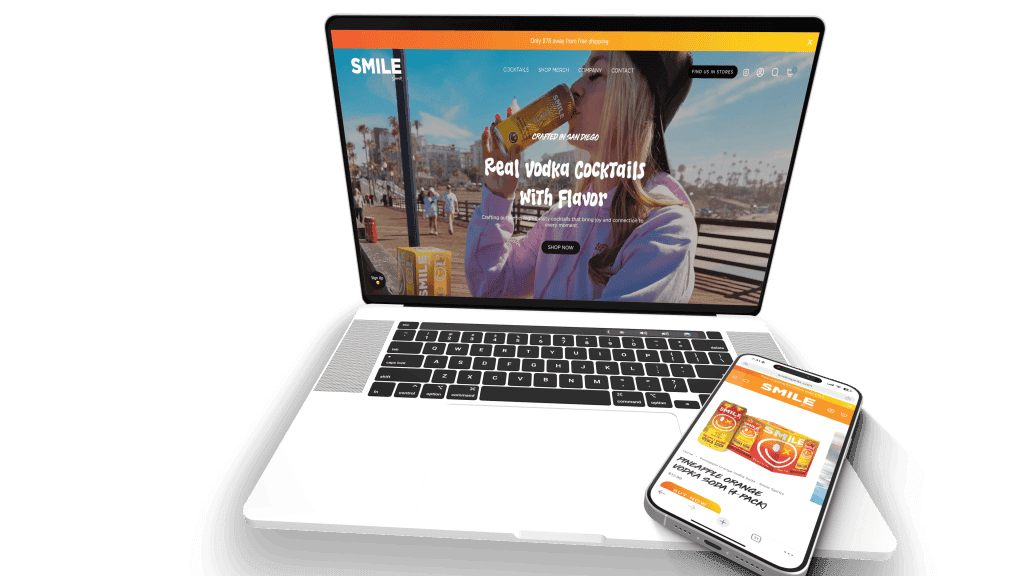
In this example, we highlight the complete redesign and migration project for Smile Spirits, a dynamic beverage brand based in San Diego. Digital Hype Media successfully transitioned Smile Spirits from a basic Wix setup to a fully customized and high-performing Shopify store, designed with scalability in mind.
Key Elements of the Redesign:
- Seamless migration from Wix to Shopify without any downtime
- A comprehensive modern redesign featuring a mobile-first and conversion-optimized layout
- Development of a custom Shopify store to accommodate merchandise and bundled products
- Creation of a retail locator page to enhance customer convenience
- Implementation of an order tracking page to build user trust
- SEO optimization to improve search visibility and facilitate product indexing
- Integration of product feeds for platforms like Facebook, Instagram, and Google Shopping
- Establishment of automated email flows and a post-purchase cross-sell setup
- Strategic enhancements aimed at improving conversion rates and overall performance
The redesign emphasized both e-commerce user experience and robust digital marketing systems, all centered around a single goal: growth.
Significance of the Redesign:
With the new website, Smile Spirits now enjoys a streamlined shopping experience and a solid SEO foundation, coupled with the necessary tools to convert casual browsers into loyal buyers. This redesign goes beyond just aesthetics; it functions as a powerful engine for revenue generation.
Case Study: Coastal Signs Plus’s Digital Marketing Transformation
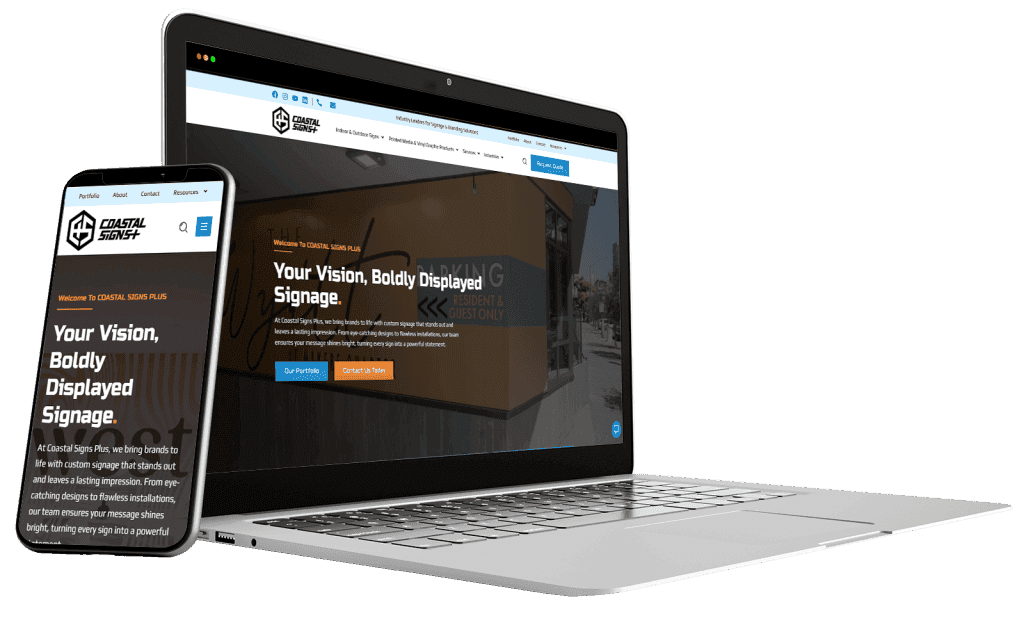
Coastal Signs Plus experienced a significant transformation through a comprehensive approach that combined a website redesign, search engine optimization, paid advertising, and content marketing. As a result of these efforts, the company successfully generated consistent leads and achieved an impressive growth of approximately 600% in revenue.
Client Overview: Coastal Signs Plus is a player in the custom signage and commercial printing industry.
Challenges Faced: The company struggled with a limited online presence, as their existing website failed to generate leads or phone calls. Additionally, their visibility was low on major social media and professional platforms, which stifled potential growth. While they had enjoyed offline success, they desired a more rapid scaling of revenue through digital channels.
Measurable Outcomes: The digital marketing initiatives implemented for Coastal Signs Plus resulted in tangible improvements:
- Their website and phone leads increased dramatically, rising from 0 to 15-30 leads per month.
- Revenue saw a substantial boost, growing from $1 million to $7 million annually.
- Search engine rankings improved, resulting in higher website traffic and better brand visibility.
- Enhanced customer acquisition and engagement were achieved through targeted social media marketing and effective paid advertising campaigns.
Our Strategic Approach: To facilitate this transformation, we undertook several key steps:
- Website Redesign and Portfolio Development: We modernized and optimized their website and created an online portfolio to showcase their completed projects, significantly enhancing user experience.
- SEO Optimization: We implemented both on-page and off-page SEO strategies, which helped improve search rankings and increase organic visibility.
- Google Ads Campaigns: Targeted Google Ads campaigns were launched, resulting in an immediate increase in brand awareness and lead generation.
- Content Creation and Management: We developed and managed engaging content across platforms including YouTube, Facebook, Instagram, and LinkedIn to highlight their commercial services and success stories.
- Account Management: Our team managed all social media and advertising accounts while ensuring the website’s maintenance for consistent and high-quality messaging.
Client Feedback: The team at Coastal Signs Plus expressed their satisfaction: “Digital Hype Media transformed our online presence. We went from struggling to attract customers online to receiving regular inquiries and achieving record revenue growth. Their professionalism and results speak for themselves.”
This case study illustrates how a well-rounded digital marketing strategy can revitalize a business’s online presence and drive significant revenue growth.
Conclusion: The Continuous Journey of Website Improvement
A website redesign is not a one-time task; it’s an ongoing journey. Digital landscapes are in constant flux, demanding continuous adaptation.
As user behaviors evolve, your website must align with these changes. Regular updates ensure it remains relevant and effective.
Increased competition and technological advances add pressure. To stay ahead, an adaptable, forward-thinking approach is necessary.
Embrace iterative design and listen to user feedback. This approach will keep your website vibrant, functional, and poised for success.