What Is Technical SEO and Why Does It Matter?
BY THE DHM TEAM11 MIN READUPDATED

On this page, 11 sections
Technical SEO is the backbone of a successful online presence, especially in the AI-driven era of search. Search engines like Google increasingly rely on machine learning (ML) models and natural language processing (NLP) to interpret site quality, meaning your site’s technical health directly affects how AI algorithms evaluate it.
According to Ahrefs (2025), 91% of web pages receive no organic traffic, often due to poor crawlability or indexation issues. This highlights why investing in technical SEO is essential, not optional.
Imagine a library without a catalog. That’s a website without technical SEO. Search engines need guidance to find and rank your pages. This is where technical SEO steps in.
It involves optimizing various elements of your site. From crawlability to mobile SEO, each aspect plays a crucial role. These optimizations help search engines index your site efficiently.
Technical SEO also impacts user experience. A fast, secure, and mobile-friendly site keeps visitors engaged. This leads to better rankings and more traffic.
Regular audits are essential. They identify issues that could hinder performance. Addressing these ensures your site remains competitive.
In today’s digital landscape, technical SEO is not optional. It’s a necessity for visibility and growth. Embrace it to build a strong foundation for your online success.
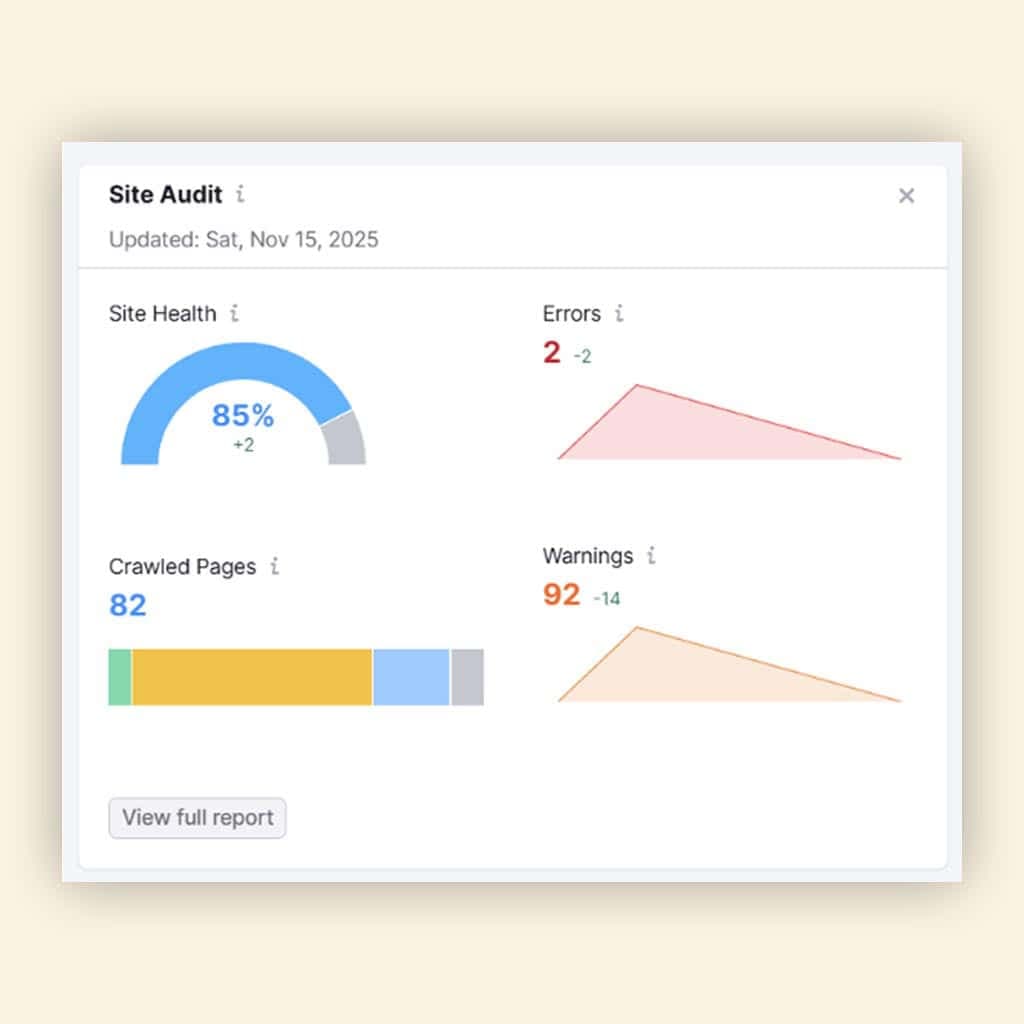
Understanding Technical SEO: The Foundation of SEO Success
Technical SEO is the framework that holds your site’s SEO strategy together. It’s not just about keywords and backlinks. It delves deeper into the nuts and bolts of your website’s infrastructure.
Think of it like the foundation of a house. Without a strong foundation, the building won’t stand firm. Similarly, without robust technical SEO, your site will struggle to rank.
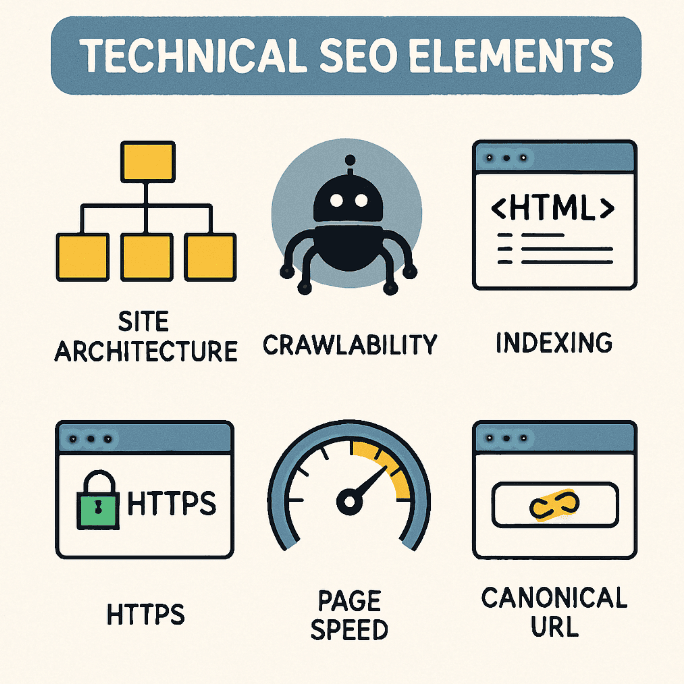
Key elements of technical SEO include:
- URL structure
- Mobile usability
- Website speed
Beyond these basics, technical SEO in 2025 integrates AI-powered auditing tools such as Screaming Frog SEO Spider, Sitebulb, and Semrush Site Audit, which automatically detect crawl traps, missing schema, or rendering issues.
At Digital Hype Media, we leverage AI-based SEO crawlers and real-time performance dashboards to monitor over 200 technical checkpoints weekly, ensuring clients maintain peak search visibility.
Each component ensures search engines can efficiently access and evaluate your content.
A well-optimized site is also user-friendly, contributing to longer visit durations. Users expect quick load times and easy navigation. Meeting these expectations boosts engagement.
Regularly updating and maintaining technical aspects keeps your site competitive. SEO is ever-evolving, so staying informed is crucial. Adapting to changes ensures sustained success in search rankings.
Why Technical SEO Matters for Your Business
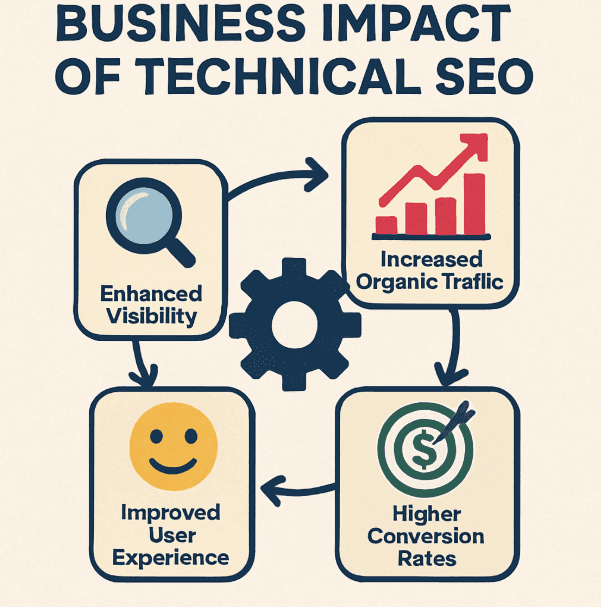
Technical SEO is critical for enhancing your site’s visibility. Improved visibility leads to increased traffic and more potential customers.
Without it, search engines may struggle to crawl your site efficiently. This could mean critical pages go unnoticed and unranked.
For businesses, this translates directly into lost opportunities. If pages aren’t indexed, they can’t appear in search results.
Here’s why technical SEO is essential:
- It ensures optimal crawlability
- Enhances user experience through faster load times
- Improves mobile experience with responsive design
By focusing on technical SEO, businesses can secure a competitive edge. It not only supports search engine performance but also enhances user satisfaction.
Regular audits help maintain this edge, identifying issues early and preventing future problems.
Key Elements of Technical SEO
Technical SEO consists of several key components that ensure a website’s health. These elements work together to enhance visibility and user experience.
| Element | Tool/Example | Role |
|---|---|---|
| Crawlability | Google Search Console, Screaming Frog | Use Google Search Console to identify crawl errors and Screaming Frog to simulate how bots view your pages. |
| Indexing | IndexNow, Bing Webmaster Tools | Modern indexing uses protocols like IndexNow to instantly notify search engines of updates. |
| Mobile SEO | Lighthouse, Chrome DevTools device mode | Tools like Lighthouse highlight mobile layout shifts and tap target issues. |
| Website Speed | PageSpeed Insights, GTmetrix, Cloudflare | Implement caching with Cloudflare CDN and measure performance using GTmetrix. |
| Structured Data | Schema.org, Rank Math, Yoast | Use Rank Math or Yoast SEO Premium to generate and validate structured data. |
Without these elements, search engines struggle to index content effectively. Thus, engaging with technical SEO is essential.
Crawlability: Ensuring Search Engines Can Access Your Site
Crawlability is fundamental to technical SEO. It means search engines can easily navigate and index your site.
To ensure good crawlability:
- Fix errors in your robots.txt file
- Maintain a clean and updated sitemap
- Eliminate duplicate content through canonical tags
These steps help avoid common crawlability issues. Broken links and incorrect directives can hinder search engines.
Improving crawlability boosts how search engines rank your site. It’s a crucial step for technical SEO success.
Indexing Strategies: Getting Your Pages in Search Results
Indexing strategies determine which pages appear in search results. Effective strategies help ensure all important pages get indexed.
Key actions include:
- Creating an XML sitemap for search engines
- Using Google Search Console to monitor indexing
- Ensuring no important pages are excluded by noindex tags
Without proper indexing, key pages remain invisible to search engines. Hence, employing strategic tactics is critical.
A well-executed indexing strategy enhances website visibility and discoverability. This, in turn, drives organic traffic.
Site Architecture and URL Structure
Site architecture refers to how your site is organized. It impacts both user experience and SEO performance.
Effective architecture involves:
- Logical navigation with clear menu hierarchies
- Short, descriptive URL structures
- Avoiding deep page nesting for ease of access
URLs should be straightforward and keyword-rich. This helps both users and search engines understand them better.
Good site architecture ensures pages are easy to find and follow. It supports overall SEO health and visibility.
Mobile SEO: Optimizing for Mobile-First Indexing
With mobile-first indexing, optimizing for mobile is crucial. More people use mobile devices than ever for browsing.
Critical steps include:
- Implementing responsive design for all devices
- Reducing load times on mobile
- Simplifying navigation for mobile users
Mobile SEO ensures your website meets users’ needs on all devices. Failing to do so risks losing rankings.
Optimizing for mobile improves user experience and enhances mobile SEO. It’s vital for modern digital strategies.
With Google’s AI Overviews now live in most markets, mobile performance influences how your site appears in AI-driven summaries. A mobile-optimized site ensures your content remains discoverable across voice, visual, and AI-enhanced searches.
Website Performance and Core Web Vitals
Website performance significantly affects SEO. Key metrics, known as Core Web Vitals, determine performance levels.
Core Web Vitals include:
- Largest Contentful Paint (LCP) for loading performance
- Interaction to Next Paint (INP) for interactivity
- Cumulative Layout Shift (CLS) for visual stability
Improving these metrics enhances user satisfaction and SEO. Fast, stable sites rank higher in search results.
Performance improvements lead to better overall site engagement. This directly influences SEO success and user retention. Tools like NitroPack, WP Rocket, or Cloudflare APO can deliver these gains for WordPress and Shopify sites.
Structured Data and Schema Markup
Structured data helps search engines understand your site’s content. It enhances search result appearance with rich snippets.
Key practices for structured data:
- Use schema markup to highlight key information
- Implement JSON-LD format for SEO efficiency
- Ensure data accuracy to avoid misleading search engines
This technique provides context about your pages to search engines. It boosts click-through rates by improving result visibility.
Structured data makes your content more appealing in search results. It’s an indispensable part of technical SEO.
Structured data directly supports E-E-A-T signals by reinforcing credibility through author, organization, and review markup. For instance, Google’s Product Structured Data Guide confirms that accurate schema helps products appear in rich results and AI snippets.
Security: HTTPS and Safe Browsing
Website security is vital for SEO and user trust. Implementing HTTPS ensures data is encrypted and secure.
Key steps include:
- Installing an SSL certificate for secure data transfer
- Regularly updating security protocols
- Monitoring for security vulnerabilities
Use plugins like Wordfence, Solid Security Pro, or Cloudflare Security for automated threat monitoring.
Managed hosts such as Kinsta, WP Engine, and Cloudways include built-in SSL provisioning and server-level malware detection, simplifying compliance with Google’s Safe Browsing standards.
HTTPS is a ranking signal for Google. It also guarantees safe browsing experiences for your users.
Securing your site protects user data and enhances credibility. This builds trust and positively impacts SEO.
Handling Crawlability Issues and Broken Links
Addressing crawlability issues is vital. Broken links can lead to poor user experience and SEO performance.
To handle these issues:
- Conduct regular site audits to identify broken links
- Use 301 redirects to manage outdated pages
- Clean up internal linking to improve navigation
Fixing crawlability problems helps maintain search engine access. This prevents rankings from dropping due to site errors.
Resolving these issues ensures search engines and users have smooth journeys through your site. This sustains site health and rankings. Automating broken link checks via Ahrefs Site Audit, Semrush, or Broken Link Checker ensures you catch issues early. Pairing this with AI-driven log analysis tools can help prioritize fixes that directly impact organic traffic.
Technical SEO Tips and Best Practices
To strengthen your site’s technical SEO, adopting best practices is vital. These strategies bolster search engine rankings and enhance user experience.
Top Technical SEO Tips
- Minimize server response time
- Leverage browser caching
- Enable compression for faster page loading
Effective practices ensure a smooth, optimized user journey. Paying attention to details like image sizes reduces load times significantly.
Essential Best Practices
- Regularly audit your site for errors
- Update and maintain your website security measures
- Implement lazy loading for images and videos
These steps sustain your site’s performance and security. Regular audits catch issues before they impact visibility.
Focusing on these proven tactics delivers remarkable SEO results. They lay the groundwork for better rankings and user engagement.
Modern AI SEO combines machine learning insights and predictive analytics to optimize performance before rankings drop. Tools like Surfer SEO’s Audit, MarketMuse, and Clearscope use NLP to align technical and content SEO.
Digital Hype Media takes this further through:
- Weekly Technical SEO Audits using AI-powered monitoring
- Monthly Article Publishing to reinforce topical authority
- Real-Time Keyword & Position Tracking via Semrush
- Monthly Performance Reports highlighting Core Web Vital trends and ranking shifts
Conducting a Technical SEO Audit: Step-by-Step Guide
Conducting a technical SEO audit is essential to ensure your website’s optimal performance. It uncovers underlying issues that could hinder rankings.
Start by analyzing site crawlability. Use tools like Google Search Console to identify crawl errors and rectify them promptly.
Next, evaluate indexing strategies. Check if all vital pages are indexed by searching for site:yourdomain.com on a search engine.
Don’t overlook website speed. Tools like PageSpeed Insights help gauge load times. Include Sitebulb or Ahrefs Webmaster Tools for deep link analysis, and Google Search Console’s Core Web Vitals report for identifying user experience bottlenecks.
DHM’s technical SEO audits go beyond surface-level checks: we analyze crawl budget waste, JavaScript rendering efficiency, and structured data compliance, ensuring your site meets Google’s modern indexing requirements.
Also, review mobile SEO by simulating site access on various mobile devices.
Key Steps
- Audit crawl errors
- Review indexing status
- Test site speed and mobile usability
Following this process results in a well-rounded audit, identifying areas needing attention to enhance overall site performance.
When to Use Technical SEO Audit Services
Technical SEO audit services are beneficial for businesses lacking in-house SEO expertise. These services provide a deep dive into technical aspects, offering detailed insights.
Consider hiring an audit service when experiencing unexplained traffic drops or persistent crawlability issues. Professional audits help identify and resolve complex problems efficiently.
Situations to Consider
- Unexplained traffic declines
- Persistent technical issues
- Lack of internal SEO expertise
Using these services ensures thorough analysis and actionable strategies for improving site performance and search rankings.
Digital Hype Media’s SEO audit packages include crawl simulation, schema validation, Core Web Vitals optimization, and content index mapping, ensuring full technical compliance. Each audit includes an actionable report with prioritized fixes for developers and marketers.
AI SEO and the Future of Technical Optimization
AI SEO represents the next frontier of optimization. Google’s RankBrain, BERT, and MUM updates have evolved search into a semantic, context-aware system, rewarding technically sound sites with clear architecture and structured data.
Businesses adopting AI-assisted SEO platforms like Surfer SEO, NeuronWriter, and MarketMuse can predict ranking outcomes and automatically generate structured outlines aligned with NLP-driven ranking factors.
At Digital Hype Media, our AI SEO workflows combine automation with human expertise allowing continuous performance tracking, schema learning, and on-page optimization through real-time analytics.
How Digital Hype Media Can Help with Technical SEO
Digital Hype Media offers comprehensive solutions to enhance your website’s technical foundation. Our expertise covers key SEO areas to optimize site visibility.
We provide tailored services, ensuring your site is crawlable, secure, and mobile-optimized. Engaging our expert team brings clarity to complex SEO challenges.
Services Offered by Digital Hype Media
- Technical SEO Audit
- Structured Data Implementation
- Crawlability Improvements
By partnering with Digital Hype Media, businesses can achieve measurable SEO improvements and sustainable online success.
Common Technical SEO Mistakes to Avoid
Technical SEO errors can significantly hinder your site’s performance. Avoiding common pitfalls is crucial for maintaining visibility and rankings.
One frequent mistake is neglecting mobile optimization, resulting in poor user experiences. Broken links also cause frustration and reduce crawlability.
Common Technical SEO Mistakes
- Ignoring mobile usability
- Overlooking speed optimizations
- Failing to update XML sitemaps
By steering clear of these errors, businesses can ensure a smoother SEO process and better site performance.
The Ongoing Nature of Technical SEO: Monitoring and Maintenance
Technical SEO is not a one-time task. Continuous monitoring and maintenance are crucial for staying updated with search engine algorithms and evolving technologies.
Regular checks can help identify potential issues early. This proactive approach ensures your site remains optimized and competitive.
At Digital Hype Media, our monthly SEO maintenance plans include:
- Weekly crawl and performance audits
- Broken link monitoring and 404 management
- AI-driven rank tracking via Semrush and Google Search Console
- Core Web Vitals and mobile UX optimization
- Monthly article publication to maintain topical freshness
Key Areas for Continuous Monitoring
- Page load times
- Mobile responsiveness
- Security updates
Commitment to regular maintenance can prevent larger problems and sustain your website’s health.
Conclusion: Building a Strong SEO Foundation for Long-Term Success
Embracing technical SEO is essential for digital success. It’s the bedrock upon which effective online strategies are built.
From improving site speed to enhancing security, technical SEO covers critical aspects of website health. These elements work together to create a seamless user experience and better search engine rankings.
Investing in technical SEO yields long-term results. According to BrightEdge (2025), brands with continuous technical SEO maintenance experience 2.7x higher organic traffic growth compared to those auditing quarterly. Technical SEO, combined with AI and consistent monitoring, ensures long-term stability in volatile search landscapes. It helps your business maintain a competitive edge while driving organic traffic and engagement.
Written by Digital Hype Media’s SEO & Performance Team, specialists in AI-driven search optimization, Core Web Vitals enhancement, and full-scale technical SEO auditing.